
Growing Up Great: The Power of Belonging
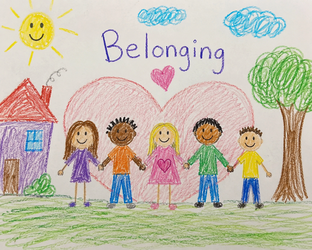
Belonging is more than simply being included. It is the feeling of being welcomed, valued, safe, and connected to people and places that matter. For children, youth, and families, belonging is a fundamental part of healthy development. It shapes identity, relationships, confidence, wellbeing, and the ability to thrive.
When children and families experience belonging, they are more likely to feel safe, connected, supported, and valued. Strong relationships and meaningful community connections help children build resilience, strengthen mental health, develop social and emotional skills, and engage positively in school and community life. Belonging can also act as a protective factor, helping reduce isolation, stress, and disconnection for both children and caregivers.
From infancy through adolescence, belonging plays a critical role in healthy development. Babies and young children develop a sense of safety and trust through consistent, caring relationships with parents, caregivers, siblings, extended family members, educators, and trusted adults in their community. In the early years, belonging can look like seeing familiar faces at a playgroup, hearing your home language spoken, feeling accepted in a childcare or recreation program, or having opportunities to play and learn in spaces where families feel welcomed and respected.
As children grow into the middle years, belonging continues to shape confidence, identity, and wellbeing. Feeling connected to peers, schools, neighbourhoods, sports teams, cultural groups, faith communities, after-school programs, and trusted adults can strengthen resilience, improve mental health, and support positive social and emotional development.
For youth, belonging becomes deeply connected to identity, leadership, voice, and community connection. Young people who feel seen, heard, and valued are more likely to engage in school and community life, seek support when needed, and develop a stronger sense of purpose and hope for the future. Belonging can be fostered through youth programs, mentorship opportunities, arts and recreation spaces, employment programs, cultural communities, volunteer opportunities, and peer relationships that create opportunities for connection and leadership.
What can belonging look like?
• A parent or caregiver feeling welcomed and respected in a program space
• Children seeing their culture, language, and identity reflected
• Youth having opportunities to lead, contribute, and be heard
• Caring adults who know children and youth by name, and take the time to know things about them
• Safe spaces where children and families can build relationships and connect with others
• Spaces and relationships where young people can make mistakes and learn
• Opportunities to participate without barriers or exclusion
Why does belonging matter?
• Strengthens mental health and wellbeing
• Builds confidence, resilience, and identity
• Supports healthy relationships and social development
• Increases engagement in school and community life
• Helps reduce isolation for children, youth, and caregivers
• Creates stronger, healthier, and more connected communities
Across Ottawa, community organizations and programs play a vital role in creating spaces where belonging can grow. Every day, frontline staff create welcoming environments where children, youth, and families can connect, build relationships, develop skills, and feel part of a community. Whether through parent-child programs, EarlyONs, after-school activities, youth leadership opportunities, recreation, cultural programming, food programs, libraries, schools, neighbourhood gatherings, or simply a caring conversation, these spaces help children and families feel supported and connected.
Community-based spaces can be especially important for children, youth, and families who may feel isolated, excluded, or disconnected from other systems and supports. These programs often create pathways to relationships, community, leadership opportunities, and supports that help children and families fully participate and thrive.
Belonging is not created through one program or one moment. It is built over time through relationships, consistency, trust, inclusion, and care. As Ottawa continues working toward healthier and more equitable outcomes for children and youth, we all have a role to play in creating opportunities for belonging. Whether through programs, schools, recreation spaces, neighbourhood connections, or everyday interactions, small moments of welcome and connection can have a lasting impact and help ensure that every child, youth, and family has the opportunity to grow up great.
Supporting Families Through Service Navigation

For many families, finding the right support at the right time can feel overwhelming. Whether it is accessing mental health services in the early years or adolescence, finding after-school programs that support literacy and development, connecting to parenting supports, or meeting basic needs like food and clothing, families are often navigating multiple systems at once.
Across Ottawa, OCYI partners are working every day alongside children, youth, and families in their communities. These organizations are more than service providers; they are trusted relationships. Families turn to them not only for programs and resources, but for guidance, reassurance, and connection.
This close, frontline connection is a key strength of OCYI. As a network, OCYI brings together the shared knowledge, experiences, and insights of organizations working directly with families, helping to surface what is working, where gaps exist, and what families truly need.
These trusted relationships play a critical role in helping families navigate pathways to support. Frontline staff, whether in community houses, schools, community health centres, or youth programs, are often the first point of contact. They help bridge systems, connect families to the right resources, and ensure no one is left to navigate alone.
Through the Ottawa Collaborative for Parenting Support Task Group (OCPS), OCYI works alongside system partners to strengthen how families access parenting supports. This includes improving navigation, increasing awareness of available services, and supporting more coordinated, consistent pathways across the system. There are strong community-based navigation services already in place. Our role is to help ensure parents are aware of them and to reinforce a “no wrong door” approach to accessing support, while recognizing that frontline staff often continue to support families as they navigate and reconnect with services over time.
OCPS brings partners together through monthly task group meetings, including key community navigation services such as 211, 1Call1Click, Parenting in Ottawa, and the Parent Resource Centre. This collaboration has led to shared tools like the Just Ask campaign, helping families know where to turn, as well as Just Ask Lunch & Learns that build frontline staff awareness so they can confidently guide families within their communities.
OCYI’s role is not to deliver or direct services, but to mobilize and support the frontline community sector, strengthening on-the-ground work and bringing forward community-informed insights to contribute to ongoing system planning.
OCYI is expanding its work to support the important work of Youth Services Bureau (YSB) in its role as Lead Agency for child and youth mental health, and Kids Come First Regional Network, fostering two-way collaboration between community-based organizations and system partners to strengthen pathways to supports and services.
Through this collective approach, OCYI contributes to strengthening pathways across the system, making it easier for frontline staff to guide families and for families to access the supports they need, when they need them.
This work is strengthened through collaboration across the sector. If you are interested in contributing or learning more about the Ottawa Collaborative for Parenting Support Task Group, we invite you to connect with Beth at [email protected].